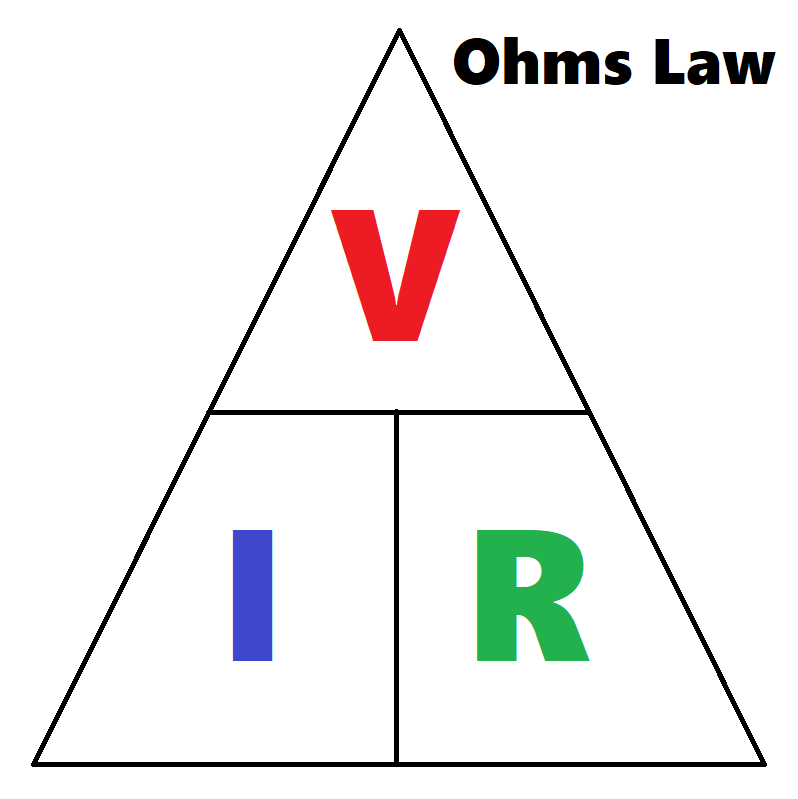
Use our Ohm’s Law & LED resistor calculator to quickly work out voltage, current, resistance, and power for common electronics tasks. Enter any two known values to solve the rest, or calculate the correct series resistor for an LED based on supply voltage, forward voltage, and target current. It’s a practical tool for soldering, repairs, prototyping, and everyday DIY electronics.
What This Ohm’s Law Calculator Covers
Correct electrical values prevent overheated components, failed LEDs, and damaged power supplies. This Ohm’s Law & LED resistor calculator helps you calculate:
Voltage (V), Current (A), Resistance (Ω), and Power (W)
LED series resistor values for safe operation
Resistor power dissipation to choose the correct wattage
Safe current levels for common indicator and high-brightness LEDs
How to Use
For Ohm’s Law, enter any two known values (V, A, or Ω).
The calculator instantly solves the remaining values and power dissipation.
For LED circuits, enter supply voltage, LED forward voltage, and desired current.
Use the calculated resistor value and minimum wattage when building or repairing circuits.
Why Ohm’s Law Matters
Ohm’s Law is the foundation of all low-voltage electronics. Using the wrong resistor value can overdrive LEDs, generate excess heat, or shorten component life. This calculator applies standard electrical relationships to give reliable, real-world results suitable for bench work, repairs, and DIY electronics.
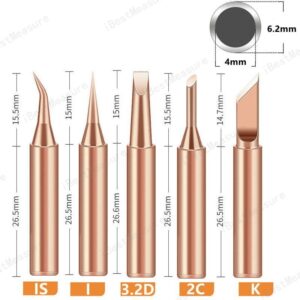
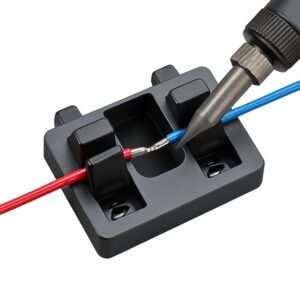
When soldering LEDs, connectors, or wires, clean joints and correct temperatures are just as important as the numbers—see our soldering flux, tip cleaners & consumables for reliable electrical connections.
Results are guidance—always check component datasheets.
Choose a resistor with a higher wattage rating than the calculated minimum.
LED forward voltage varies by colour and type; allow tolerance.
Excess current shortens LED life even if failure is not immediate.
Whether you’re repairing electronics, building LED indicators, or learning the basics, this Ohm’s Law & LED resistor calculator gives you fast, dependable answers—without guesswork.
Electronics Calculators | Ohm’s Law & LED Resistor | Xcatalogue
Practical calculators for soldering, repairs and electronics work.
Calculate the proper voltage, resistance, and current for your projects using the Xcat Ohm's law calculator below..
Ohm’s Law & Power Calculator
Enter any two values to calculate the rest.
Power
—
Watts dissipated
Calculated Voltage
—
Calculated Current
—
Enter any two values to calculate the rest.
Ohm’s Law Tips
Voltage, current, and resistance are directly linked — changing one affects the others.
Always calculate power (W) to ensure resistors can safely dissipate heat.
Measured supply voltages often differ from labels — verify with a multimeter.
If power exceeds 1 W, choose a higher-rated resistor or improve ventilation.
Excess heat usually means too much current — recheck your inputs.