🔧 Files, Rasps & Sanding Tools for DIY, Woodworking & Workshop Use
Shop quality files, rasps, and sanding tools at Xcatalogue for accurate shaping, smoothing, and finishing across wood, metal, and plastic. Whether you're carrying out woodworking, metal fabrication, restoration work, or general DIY repairs, the right files, rasps, and sanding tools help make every job cleaner, faster, and more precise. Our growing range includes engineers’ files, metal files, wood rasps, needle files, file sets, sandpaper, and emery cloth, all chosen for reliable workshop performance.
Every file, rasp, sandpaper, and emery cloth in our range is selected for strength, usability, and long-term reliability. These files, rasps, and sanding tools handle both fine finishing and heavier material removal. We choose them for real workshop use, not occasional jobs. In addition, all products are UK stocked for fast dispatch, with no overseas delays and no drop shipping.
Files, Rasps & Sanding Tools for Metal, Wood & Workshop Jobs
Files, rasps, and sanding tools help you shape materials with accuracy and control. You can use them to smooth rough edges, remove burrs, refine timber joints, and improve part fit during repairs. Choose metal files for steel, aluminium, brass, and general workshop fabrication. Use wood files and wood rasps when you need cleaner control on timber surfaces.
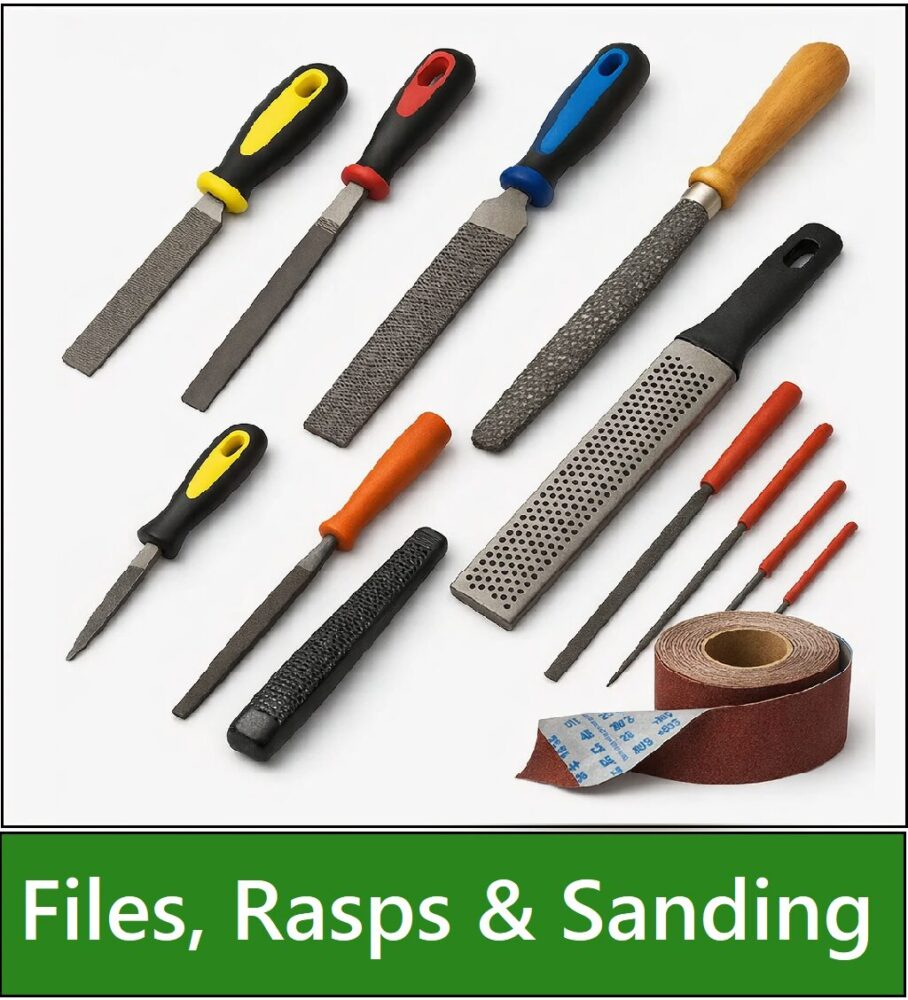
Popular options include flat files, half-round files, round files, and triangular files. Each profile handles a different shaping task. A good file set gives you better flexibility for DIY and trade work. These files and rasps improve finish quality and help reduce rework.
Woodworking Rasps & Files for Cleaner Timber Shaping
Wood rasps remove material faster than standard files. Their coarse teeth make them ideal for shaping curves, trimming timber, carving handles, and rough fitting joinery. Because they cut quickly, they work especially well for woodworking, furniture repairs, carpentry, and workshop modifications.
After rough shaping, finer files, rasps, and sanding tools help you improve the final finish. They give you more control and help create smoother edges and cleaner surfaces. This matters most on visible surfaces and decorative timber work.
Sanding Tools, Sandpaper & Emery Cloth for Finishing
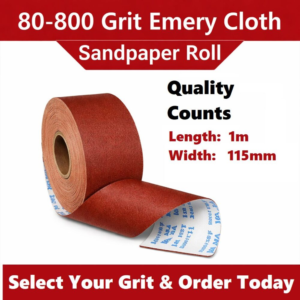
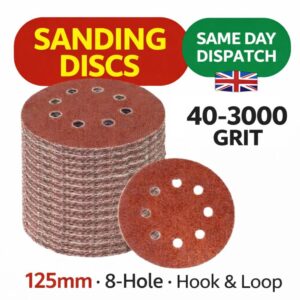
Sandpaper and emery cloth are essential sanding tools for finishing and surface preparation. Use them for blending surfaces, removing marks, and preparing materials before painting, polishing, or assembly. Standard sandpaper works well on wood and painted surfaces. Emery cloth works better on metal, edges, and curved parts because its cloth backing bends more easily.
You can use these files, rasps, and sanding tools for coarse shaping or fine polishing. They work well in joinery, restoration, fabrication, and maintenance tasks. They also help in tight spaces where power tools cannot reach safely.
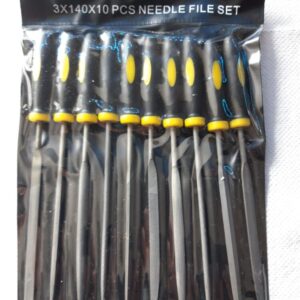
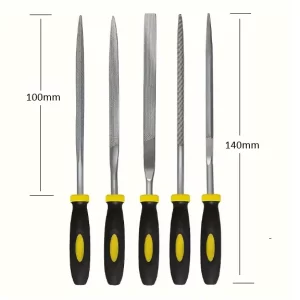
Needle files work best for small components and detailed shaping. Many users choose them for model making, electronics repairs, jewellery work, and fine workshop jobs. Their smaller size gives you better control when standard files feel too large or too aggressive.
A mixed file set is also a practical workshop choice. It gives you several profiles in one set and covers more repair jobs. Whether you need to smooth an edge, enlarge a hole, or refine a small slot, the right files, rasps, and sanding tools make the work faster and more accurate.
How Files, Rasps & Sanding Tools Improve Finish Quality
One major advantage of files, rasps, and sanding tools is control. Power tools remove material quickly, but they can also remove too much too fast. Hand tools let you work slowly, check progress, and protect the final finish.
Because of this, these tools support everything from workshop repairs to restoration projects and hobby builds. They improve fit, refine surfaces, and prepare materials for sealing, painting, or assembly. For many DIY users and tradespeople, reliable files, rasps, and sanding tools remain essential workshop tools.
Essential Files, Rasps & Sanding Tools in Our Range
Flat files – ideal for flat surfaces, edges, and shaping
Half-round files – perfect for concave and curved work
Round files (rat tail) – useful for holes and internal curves
Triangular files – designed for corners and sharp internal angles
Needle files – excellent for fine detail work and precision repairs
Wood rasps – fast shaping of timber and softer materials
Sandpaper & emery cloth – controlled hand finishing and surface prep
Why Buy Files, Rasps & Sanding Tools from Xcatalogue?
Reliable tools selected for genuine workshop use
Ideal for wood, metal, plastic, restoration, and repairs
UK-stocked for fast dispatch and dependable delivery
Growing range of practical DIY and trade essentials