Jigsaw Tool Blades


Xcat – Batteries, Tools & Workshop Consumables | Xcatalogue
Batteries, Tools & Workshop Consumables
Xcat – Batteries, Tools & Workshop Consumables | Xcatalogue
Batteries, Tools & Workshop Consumables
Home » Power Tool Accessories » Cutting & Saw Blades » Jigsaw Tool Blades
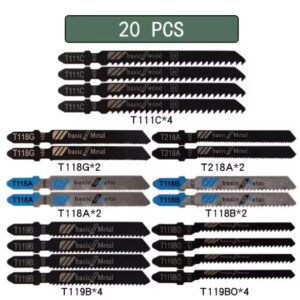
Looking for the right jigsaw blades? Choosing the correct blade depends on the material you are cutting and the type of cut required. Our range includes blades for wood, metal, plastic and laminate, helping you achieve cleaner, faster and more accurate results.
Whether you're cutting worktops, shaping timber or trimming sheet materials, the right jigsaw blade improves finish quality and reduces strain on your tool.
All blades are stocked in the UK for fast dispatch — no dropshipping delays, just reliable cutting performance for DIY and trade use.
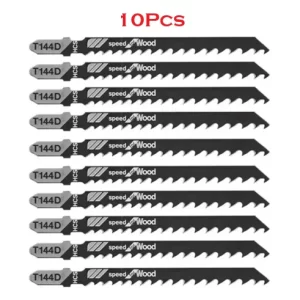
Wood cutting blades are designed for fast cutting in softwood, hardwood, plywood and MDF. Coarser teeth remove material quickly, while finer teeth produce smoother finishes when cutting boards, laminate and sheet materials.
Metal cutting jigsaw blades use finer teeth and stronger materials to cut aluminium, steel and thin sheet metal. These blades provide controlled cutting and improved durability when working with harder materials.
Fine-tooth blades are ideal for cutting plastics such as PVC, acrylic and composite panels. These reduce chipping and help produce cleaner edges when working with delicate materials.
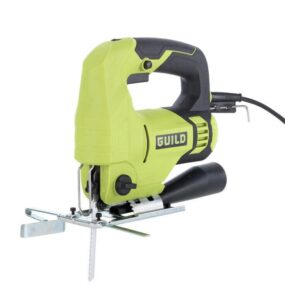
Most modern jigsaws use T-shank blades, which provide a secure and quick-fit connection. T-shank designs are widely compatible with leading brands and are the most common choice for both DIY and professional users.
For internal cuts in wood or panels, drill a starter hole before inserting the blade. This improves accuracy and helps avoid splitting.
If you're preparing timber before cutting, try our Pilot Hole Calculator to choose the correct drill bit size.
Browse the range above and choose the right blade for your next cutting job.
Marketplace launch coming soon.
Register your interest to become an Xcat Trusted Seller with No Listing Fees.