



8 Crucial Signs It’s Time to Replace Your Electric Power Sockets
Electric power sockets (UK standard three‑pin sockets) are an essential part of every home or workspace, but they’re often taken for granted—until something goes wrong. If your sockets are showing signs of damage, wear, or unusual behaviour, it may be time to replace them. Faulty sockets can lead to fire risks, electrical shocks, or damage to your devices. Knowing when to take action is critical to maintaining a safe home environment.
At Xcatalogue.co.uk, we stock replacement electric power sockets testers, and essential safety tools to help you stay protected.
1. Electric Power Sockets with no Power
When one specific socket no longer powers devices—while others nearby work fine—it’s a clear sign that the electric socket itself may be faulty. A worn-out or corroded internal contact can prevent power flow. Don’t ignore this issue—replace the socket before it worsens. For tools to test faulty sockets, visit our electrical supplies section.
2. Intermittent Power Loss
Does your phone charger randomly stop working in a certain socket? Fluctuating power output often points to a loose internal connection in the electric socket. This can cause electrical arcing—an invisible but highly dangerous fire risk.
3. Frequent Fuse or Breaker Tripping
If fuses keep blowing or circuit breakers trip every time you use a particular socket, it’s likely the socket is pulling too much current or has short-circuit damage. This makes the electric power sockets a serious hazard that should be swapped immediately.
4. Visible Damage
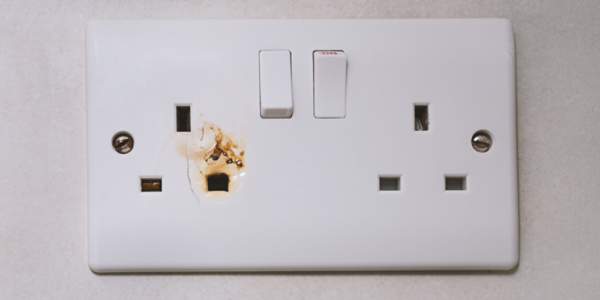
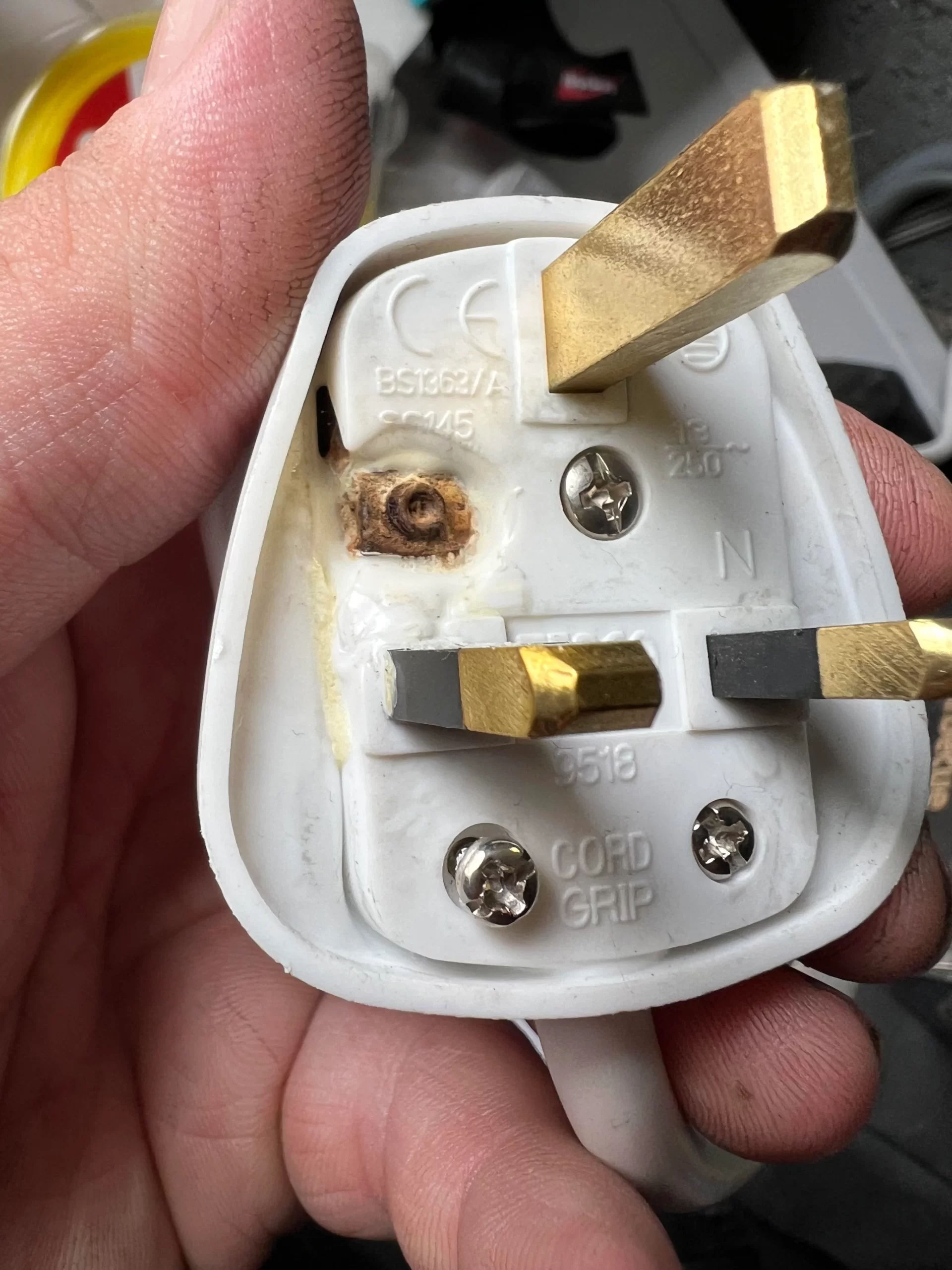
Cracks, melted plastic, or scorch marks on or around the socket or three pin plug are strong warnings. Not only do they look dangerous—they are dangerous. According to fire prevention authorities, over 20,000 UK house fires annually are caused by electrical faults.
5. Loose or Wobbly Sockets
If plugs fall out easily, your mains socket may have worn-out prong grips. This poor connection results in unstable power delivery, increased resistance, and heat build-up, increasing the risk of burns and shorts.
6. Strange Noises or Burning Smells
Buzzing, crackling, or any kind of sizzle near a socket is never normal. These signs indicate internal arcing, which can lead to smouldering wires. Likewise, a burning smell from an electric mains socket should trigger immediate action—cut the power and replace it at once.
7. Scorch Marks or Discolouration
Black or brown marks on or around the electric power sockets suggest past overheating. Even if it’s no longer warm, past damage means the socket’s integrity has been compromised. It’s safest to install a new one.
8. Outdated or Ungrounded Sockets
Old two-pin sockets without grounding are no longer compliant with modern UK safety standards. If your home still uses outdated fittings, it’s time to upgrade to three-pin, RCD-protected, or USB-equipped electric power sockets. Learn more from this USB Socket Safety Guide by Electrical Safety First.
Conclusion: Stay Safe with Modern Electric Sockets
Don’t ignore the warning signs. Damaged or malfunctioning electric power sockets can result in costly repairs—or worse, endanger your safety. From burning smells to loose connections, knowing when to act is the first step in fire prevention. If you’re unsure, consult a qualified electrician.
For budget-friendly replacements and safety gear, visit Xcatalogue.co.uk and browse our Power Tool Accessories while you’re there. Your home deserves safe, modern electric fittings.