Pilot Hole Calculator

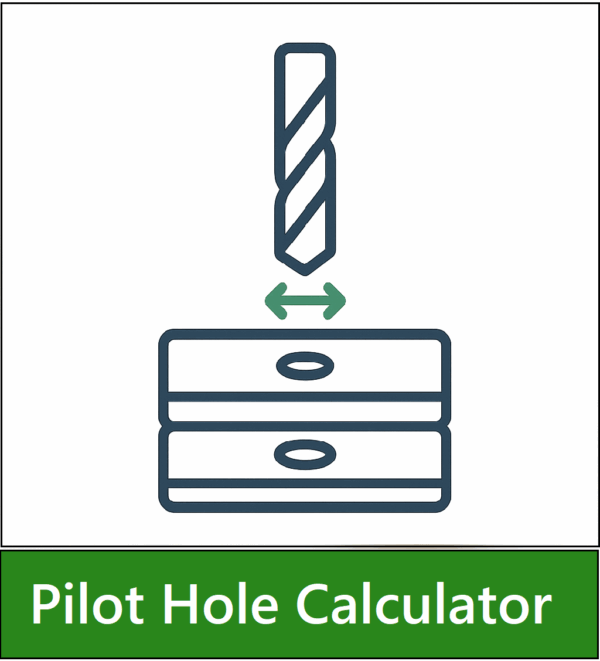
Navigation tile for Pilot-Hole Size Calculator icon showing a drill bit over two boards with clearance and pilot holes

Fast, Accurate Sizes for Wood & Coach Screws

Use our pilot hole calculator to get instant recommendations for pilot drill sizes, clearance holes, and countersink diameters. Choose Imperial (#2–#14 wood screws) or Metric (3–8 mm wood/coach screws), select material (hardwood or softwood), and we’ll return practical sizes for straight bits and tapered pilots. It’s a quick, reliable guide for wood screws, coach screws, cabinetry, decking, and general DIY.

What This Pilot Hole Calculator Covers

Getting pilot holes right prevents splitting, improves screw grip, and delivers cleaner finishes. This pilot hole calculator provides:

  • Pilot hole size for straight twist bits (hardwood/softwood options)
  • Tapered pilot size (where appropriate for wood screws)
  • Clearance hole size for the shank in the top piece
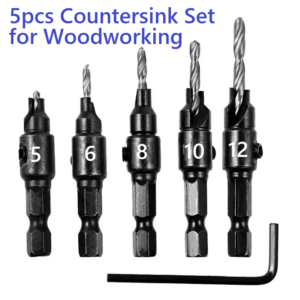
  • Countersink size for flat heads (metric guidance)

How to Use

  1. Select Imperial or Metric and pick your screw size.
  2. Choose the timber: hardwood (oak, beech, ash) or softwood (pine, spruce).
  3. Copy the recommended pilot drill bit size, then drill a clearance hole through the top piece for a tight, squeak-free joint.
  4. Use the countersink size if you want the head to sit flush.

Why Pilot Holes Matter

A correct pilot hole size reduces driving torque, avoids snapped or stripped screws, and keeps timber fibres intact. It’s especially important for hardwoods, brittle screws (stainless/bronze), and long fasteners. The calculator applies proven ratios for metric pilot holes and table values for imperial screw sizes to keep results practical on site.

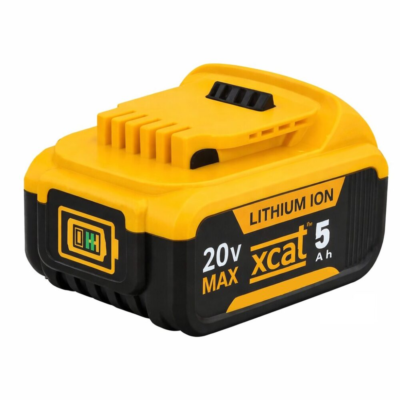
If you’re using cordless drills or impact drivers for joinery and decking, a reliable power source matters just as much as the correct pilot hole size—see our DeWalt 18V / 20V MAX battery replacement (DCB205) for compatible tools.

Related Tools & Gear

Related on Xcatalogue: Drill Bits & Sets  |  Sanders & Sheets  |  Heat Guns  |  Adhesives & Fillers  |  DeWalt 18V / 20V MAX Battery Replacement (DCB205)
Helpful info: Warranty & Product Support  |  Returns Policy  |  Xcatalogue Community

Notes & Best Practice

  • Results are guidance; always test on scrap and follow the manufacturer’s data.
  • Use clearance holes in the top piece for tight clamping and accurate alignment.
  • For dense hardwoods or fragile screws, step up the pilot slightly.
  • Use a countersink for clean, flush heads in visible work.

Whether you’re building cabinets, fixing joists, or installing hardware, this pilot hole calculator helps you choose the right drill bit size every time—quickly and confidently.

Pilot-Hole Size Calculator | Xcatalogue

Choose Imperial (#2–#14 wood screws) or Metric (3–8 mm wood/coach screws). Get pilot, clearance and countersink sizes. Always validate against manufacturer guidance, and test on scrap.

Pilot hole (straight bit)

Pilot hole (tapered bit)

Clearance hole (shank)

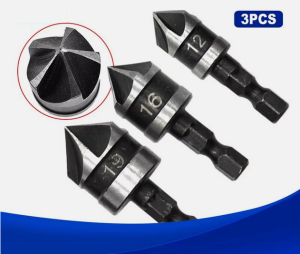
Countersink bit

Tips & Recommendations

  • Drill the clearance hole through the top piece; use the pilot for the base piece.
  • For brittle screws (stainless or bronze), select the larger pilot size to prevent breakage.
  • Always test on scrap material first, as timber density can vary.
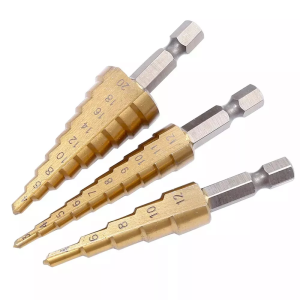
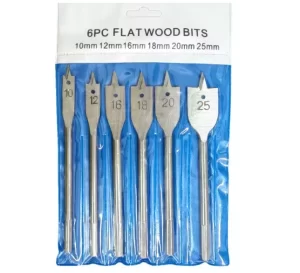
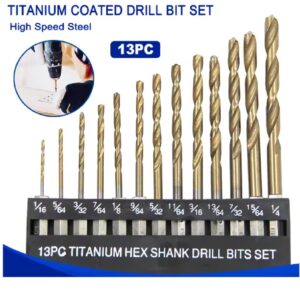
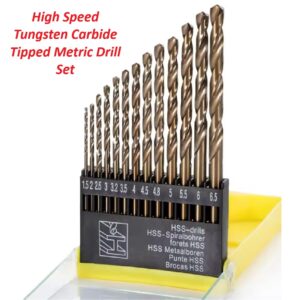
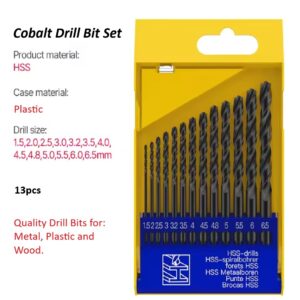
  • Use a quality drill bit set matched to your material.

  • Browse our HSS drill bit sets for reliable performance.
  • Sharp, correctly sized drill bits improve accuracy and extend tool life.
Related Products (open in a new window)
Next steps
Helpful info: Warranty & Support | Returns Policy | Xcatalogue Community
Sources: common pilot-hole tables for wood screws (# sizes) and practical ratios for metric wood/coach screws. Values are guidance only—always follow manufacturer data for critical work.

Shop by Category

Frequently Asked Questions

What size pilot hole should you drill for a number 10 wood screw?

For a typical number 10 wood screw, the recommended pilot hole size is around 3.5 mm to 4 mm (approximately 9/64 to 5/32) depending on the wood type. Softwoods require a slightly smaller size, while hardwoods benefit from a slightly larger hole to prevent splitting.

Do you always need a pilot hole for a number 10 screw?

A pilot hole is strongly recommended when driving a number 10 screw into hardwood, near the edge of timber, or when using longer screws. It helps guide the screw, reduces resistance, and prevents splitting.

What drill bit should I use for a number 10 screw in hardwood?

When working with hardwoods such as oak, maple, or beech, a 4 mm (5/32 inch) drill bit is typically suitable. This allows the threads to bite properly without forcing the timber apart.

What is the difference between a pilot hole and a clearance hole?

A pilot hole guides the screw and prevents splitting. A clearance hole is slightly larger than the screw threads and allows the screw to pull two pieces tightly together.

Why do screws sometimes split wood even when using a pilot hole?

Wood can still split if the hole is too small, the screw is too close to the edge, or excessive force is used. Using the correct size and careful drilling helps prevent splitting.

How big should a pilot hole be for wood screws?

As a general rule, use about 75 percent of the screw diameter for softwood and around 85 percent for hardwood. This ensures a strong hold while preventing damage to the material.

Do I need a clearance hole?

Yes, a clearance hole should be drilled through the top piece so the screw can pass freely and pull the materials together tightly. The pilot hole is drilled into the base material.

Should coach screws be countersunk?

Coach screws are usually used with a washer and are not normally countersunk. In most cases, the head sits above the surface rather than flush.

Added to your basket

£ 0.00
0 item(s) in basket
Only £19.99 left to get FREE shipping!
View Basket Checkout