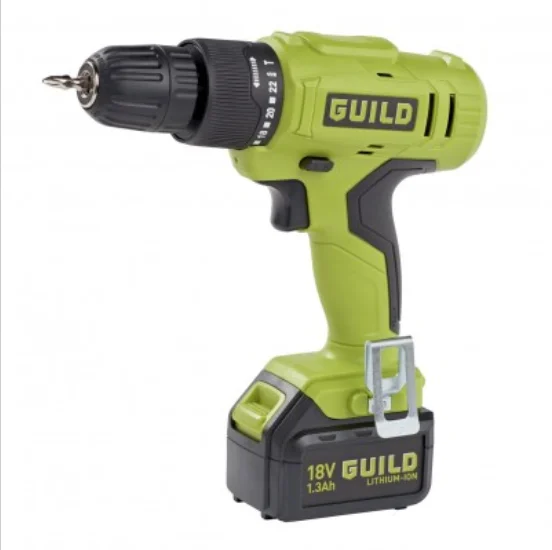
Use our Self Tapping Screw Drill Size Calculator to quickly find the correct pilot hole and drill bit size for installing self tapping screws into metal, plastic, and sheet materials. Select your screw size and material thickness to get practical drill size guidance for clean threads, reliable grip, and easier installation.
Self Tapping Screw Drill Size Calculator – What It Covers
Choosing the correct self tapping screw drill size is important when fastening metal or plastic materials. A correctly sized pilot hole allows the screw to form threads properly without excessive torque.
Recommended drill bit sizes for common self tapping screws
Guidance based on material thickness
Suitable for sheet metal, plastics, and light fabrication
Quick reference values used by tradespeople and DIY installers
How to Use the Self Tapping Screw Drill Size Calculator
Select your screw size.
Choose the material thickness.
The calculator will show the recommended pilot drill bit size.
Drill the pilot hole before installing the screw so the threads can form cleanly.
Why Correct Self Tapping Screw Drill Size Matters
Using the correct self tapping screw drill size reduces installation force and prevents screws from snapping or stripping. Holes that are too small can damage screws, while holes that are too large may reduce thread grip.
This calculator uses practical workshop guidance to help you quickly choose the right drill bit size when working with metal sheets, plastic panels, and light fabrication projects.
If you're installing screws into timber instead of metal, try our Pilot Hole Calculator for wood screws and coach screws.
For a technical explanation of how these screws work, see the reference on self-tapping screws .
Always drill a pilot hole before installing self tapping screws in metal.
Thicker materials usually require a slightly larger pilot hole.
Use sharp HSS drill bits for sheet metal drilling.
Test drill sizes on scrap material when working with critical parts.
This Self Tapping Screw Drill Size Calculator provides a quick and practical guide to selecting the correct drill bit size for reliable fastening in metal, plastic, and light fabrication projects.
Self Tapping Screw Drill Size Calculator
Link copied
Choose Imperial (#2–#14 self tapping screws) or Metric (M3–M8).
Get a recommended pilot drill size based on material thickness.
Imperial output is shown as fractional inch drill sizes.
Recommended drill size
—
Typical drill range
—
Based on common self tapping screw charts
Tips
For thin sheet, use the smaller drill size in the range.
Pilot holes help prevent splitting and improve screw holding strength.
Drilling the correct pilot hole allows the screw threads to bite properly
without forcing the material apart, resulting in stronger, cleaner fixings
and easier screw driving.
For critical work, always confirm the final drill size against the fastener and manufacturer guidance.
Choosing the correct drill size for a self tapping screw helps the screw cut cleanly,
grip properly, and avoid snapping or stripping during installation. If the pilot hole is too small,
the screw can bind, overheat, or shear off. If the hole is too large, the threads may not bite well
enough for a secure fixing.
In most cases, the right drill size depends on the screw diameter, the material being fixed, and whether the screw is being used in sheet metal, plastic, or thin section material. Harder materials usually need a
more accurate pilot hole, while softer materials can sometimes accept a slightly tighter fit.
Typical Uses for Self Tapping Screws
Fixing into sheet metal and light-gauge steel
Securing brackets, trunking, and light electrical fittings
Fastening into plastic housings and enclosures
General repair and workshop assembly work
Why Pilot Hole Size Matters
A correctly sized hole helps the screw form threads without causing excessive stress in the material.
This improves fixing strength, makes installation easier, and reduces the chance of damaging the screw
head or surrounding surface.
Screw Use
Why pilot size matters
Sheet metal screws
Helps threads form cleanly and reduces stripping
Plastic fixings
Reduces cracking and over-tightening damage
Thin steel sections
Improves thread engagement and easier driving
General workshop repairs
Gives cleaner, more reliable fastening
Useful Tip
If you are also working with wood screws, coach screws, or general timber fixings, you may find our Pilot Hole Calculator useful for selecting the correct drill bit size for wood applications.
For broader workshop and site conversions, you can also use our Metric and Imperial Conversion Calculator to quickly switch between metric and imperial measurements.
More Useful Workshop Calculators
If you found this tool useful, you may also want to try some of our other practical DIY and workshop calculators:
We use cookies to ensure that we give you the best experience on our website. If you continue to use this site we will assume that you are happy with it.