
Measuring Tools for DIY, Workshop & Precision Projects
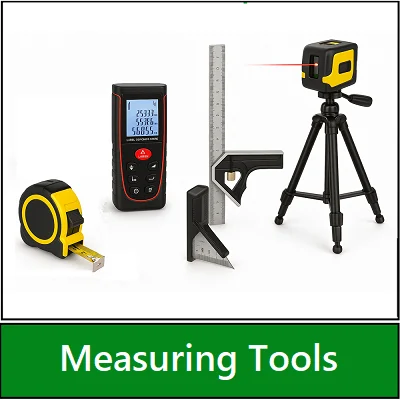
At Xcatalogue, we stock practical, affordable measuring tools for DIY users, tradespeople, workshop tasks, and everyday home projects. From tape measures and rulers to callipers, spirit levels, angle finders, and digital measuring tools, accurate results start with the right equipment. Whether you are marking out timber, checking dimensions, setting levels, or measuring parts for repairs, our growing range is designed to help you work with confidence, reduce mistakes, and get better results first time.
Good measuring equipment is essential in almost every type of project. Even a simple job such as hanging a shelf, fitting flooring, building furniture, or cutting sheet material becomes easier when your measurements are clear, consistent, and easy to repeat. In more detailed work, such as mechanical fitting, model making, electronics, or metalworking, precision matters even more. A small measuring error can lead to poor fit, wasted materials, uneven finishes, or parts that simply do not line up correctly. That is why choosing reliable tools for measuring is one of the smartest upgrades you can make to any toolkit.
Our measuring category is built around real-world use. We focus on useful tools that people actually reach for on the bench, in the van, in the workshop, or on site. That includes everyday essentials such as tape measures and rulers, but also more precise options such as digital callipers, spirit levels, angle tools, layout aids, and specialist measuring accessories. Whether you are a beginner taking on home improvements or a more experienced user who needs repeatable, accurate readings, this range is designed to give you dependable performance without pushing you into inflated trade-counter pricing.
Measuring Tools for DIY and Home Projects
For general DIY work, the most important qualities in a measuring tool are clarity, ease of use, and reliability. A tape measure needs to lock firmly, read clearly, and feel comfortable in the hand. A ruler or square should be easy to align and simple to read when marking materials. A spirit level should give you confidence that shelves, frames, cabinets, and fittings are straight and properly positioned. These are basic tools, but they have a big influence on the finish of the job.
Home users often need measuring tools for jobs such as flat-pack assembly, decorating, flooring, curtain rails, wall fixing, picture hanging, kitchen fitting, and general repair work. In these situations, simple and robust tools are often the best choice. Clear markings, durable construction, and practical size options make a real difference. If you only use measuring equipment occasionally, dependable mid-range tools can be a much better investment than very cheap items that flex, wear quickly, or give inconsistent readings.
Workshop Measuring Tools for Accuracy and Repeatability
In a workshop environment, measurement is not just about getting a number once. It is about getting the same result again and again. That is where workshop measuring tools become especially important. If you are cutting timber to length, checking component sizes, setting a fence, marking drill positions, or comparing parts, accurate and repeatable readings help reduce waste and improve quality. This is particularly valuable in woodworking, metalwork, 3D printing support work, fabrication, and bench assembly.
Tools such as steel rules, engineer’s squares, digital callipers, depth gauges, angle rulers, and layout tools can all help improve the quality of your work. When dimensions matter, it is worth using tools that feel solid, read clearly, and suit the kind of projects you do most often. A workshop measuring setup does not need to be expensive, but it does need to be consistent. Reliable measuring tools help you cut more accurately, align parts properly, and avoid the frustration of rework later on.
Digital Measuring Tools and Precision Equipment
Digital measuring tools are increasingly popular because they allow for quick readings, easy visibility, and improved accuracy in many situations. Digital callipers are a good example. They are useful for checking internal dimensions, external dimensions, thickness, step measurements, and depth. They are popular with mechanics, model makers, engineers, and anyone working with small parts that need closer tolerance than a tape measure can provide.
Other digital or precision-focused tools can be helpful for layout, alignment, levelling, or distance checking. These products are especially useful when you want faster readings or when small differences matter. For a broader overview of the history and use of precision measuring devices, see this Wikipedia guide to measuring instruments.
For many buyers, the appeal of digital equipment is not only accuracy but convenience. A clear screen can be easier to read in lower light or awkward positions, and instant conversion or zeroing functions can save time during repeated checks. That said, manual measuring tools still have a major place in the workshop and on site. The best toolkit often combines both manual and digital options, allowing you to choose the right level of precision for the task in front of you.
Popular Types of Measuring Equipment
Our range continues to grow, but the most useful categories usually include the tools people rely on most often. Tape measures remain essential for general building, decorating, fitting, and planning work. They are ideal for room dimensions, timber sizing, board cutting, and site measuring. Spirit levels are key for alignment, helping with shelves, frames, tiles, cupboards, and general installation tasks. Callipers are extremely useful where closer tolerance matters, especially in mechanical and detailed workshop tasks.
You may also find value in squares, contour gauges, angle finders, rulers, marking guides, and layout tools. These can help transfer measurements more accurately and make it easier to repeat cuts or markings across several pieces. In carpentry and joinery, angle and marking accuracy can have a direct effect on how well finished pieces fit together. In metalworking, accurate measurement helps reduce error before drilling, cutting, filing, or assembly begins.
Choosing the Right Measuring Tool
The best measuring tool depends on the job. For long distances or room planning, a tape measure is usually the natural choice. For straightness and alignment, a spirit level makes more sense. For checking thickness, diameter, depth, or smaller component dimensions, callipers are usually more suitable. If you need to transfer angles or mark precise layouts, an angle ruler or square may be the better option.
It is also worth thinking about your working environment. Site work may need stronger, more durable tools that can handle knocks and dirt. Bench work may favour finer, more precise equipment. DIY use may focus on value, simplicity, and versatility, while trade use often prioritises speed, repeatability, and durability. By thinking in terms of task, material, and frequency of use, it becomes much easier to choose measuring tools that genuinely improve your work.
Why Buy Measuring Tools from Xcatalogue
We focus on practical products, honest descriptions, and useful tool categories that make sense for real buyers. Our measuring tools are selected for workshop use, DIY projects, repair tasks, fitting jobs, and general trade-friendly applications. We aim to offer clear value, dependable stock, and straightforward product information so you can buy with more confidence.
Because our stock is UK-based, you benefit from faster dispatch and simpler service. There is no need to wait for long overseas delivery times when you need a tool for an upcoming job. Whether you are adding a basic tape measure, upgrading to digital callipers, or expanding your workshop setup with levels and layout tools, our measuring category is designed to give you reliable options without overcomplicating the buying process.
If you are looking beyond measurement, you can also explore other practical workshop and DIY categories across Xcatalogue. For example, our Clearance & Sale section is a good place to find value across a wider range of tools and accessories.
Build a Better Toolkit with Reliable Measuring Tools
Accurate measuring is one of the foundations of good workmanship. It helps improve fit, reduce waste, save time, and produce cleaner results across DIY, workshop, and trade tasks. Whether you need a dependable tape measure for everyday jobs, a spirit level for installation work, or a digital calliper for more detailed checks, the right measuring equipment can make every stage of the job easier. Explore our growing range of measuring tools and find practical, affordable options for home, workshop, and professional use.
- BEST
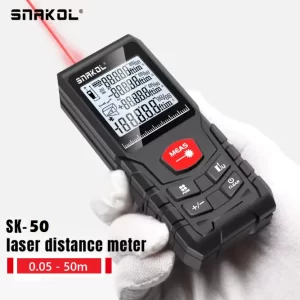
Snakol Laser Tape Measure – 50M Laser Distance Meter Rangefinder Pro
£ 14.67
1 in stock | 0 sold - BEST
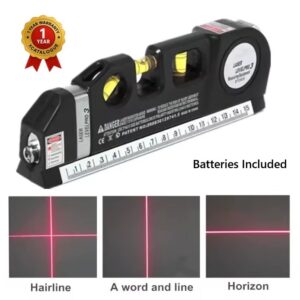
Laser Level Pro3 – Spirit Level, 8FT Laser Aligner & 250cm Tape
£ 5.99
1 in stock | 1 sold - BEST
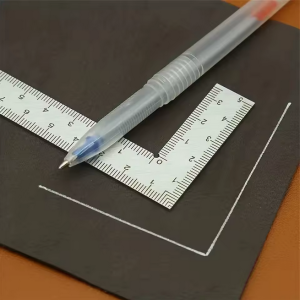
10cm Mini Set Square Ruler – Precision Drawing Tool
£ 2.99
1 in stock | 4 sold - BEST
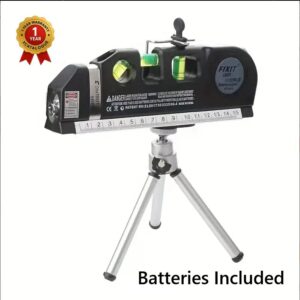
Laser Level with Tripod – Pro 3 Alignment Tool, Spirit Level & 250 cm Measuring Tape
£ 11.99
0 in stock | 17 sold - BEST
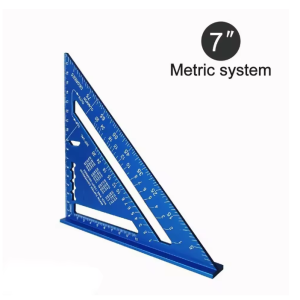
7-Inch Carpenter Triangle Ruler – Aluminium Set Square & Angle Measuring Tool
£ 10.99
1 in stock | 28 sold - BEST
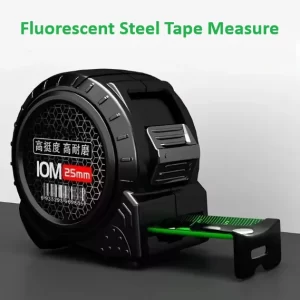
10M Metric Measuring Tape Self Locking Fluorescent Steel
£ 9.70
5 in stock | 1 sold - BEST
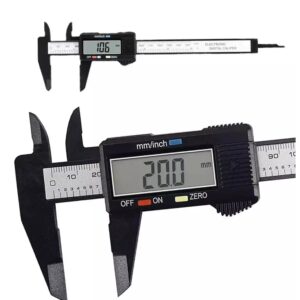
100mm Electronic Digital Vernier Calliper
£ 5.99
4 in stock | 90 sold
Browse More Categories



Frequently Asked Questions
What measuring tools are needed for general DIY projects?
Essential measuring tools for DIY include a tape measure, spirit level, ruler or square, and an angle finder. These are used for furniture assembly, shelving, layout work, and general home improvement tasks.
What is the difference between manual and digital measuring tools?
Manual measuring tools such as tape measures and rulers are simple, durable, and ideal for everyday use, while digital measuring tools like calipers and laser distance meters provide faster readings and higher precision for detailed work.
Are digital measuring tools accurate for professional use?
Yes, quality digital measuring tools such as digital calipers, laser levels, and electronic gauges provide reliable, repeatable accuracy and are widely used by tradespeople, engineers, and workshop users.
Which measuring tools are best for woodworking and carpentry?
Common measuring tools for woodworking include tape measures, combination squares, spirit levels, angle rulers, and contour gauges, helping with marking, alignment, and accurate joint fitting.
Do you stock measuring tools for beginners and professionals?
Yes, the range includes measuring tools for beginners, DIY users, and professionals, including tape measures, levels, and precision tools, all UK stocked for fast dispatch and reliable performance.