
Reciprocating Saw Blades – Wood, Metal & Demolition Cutting
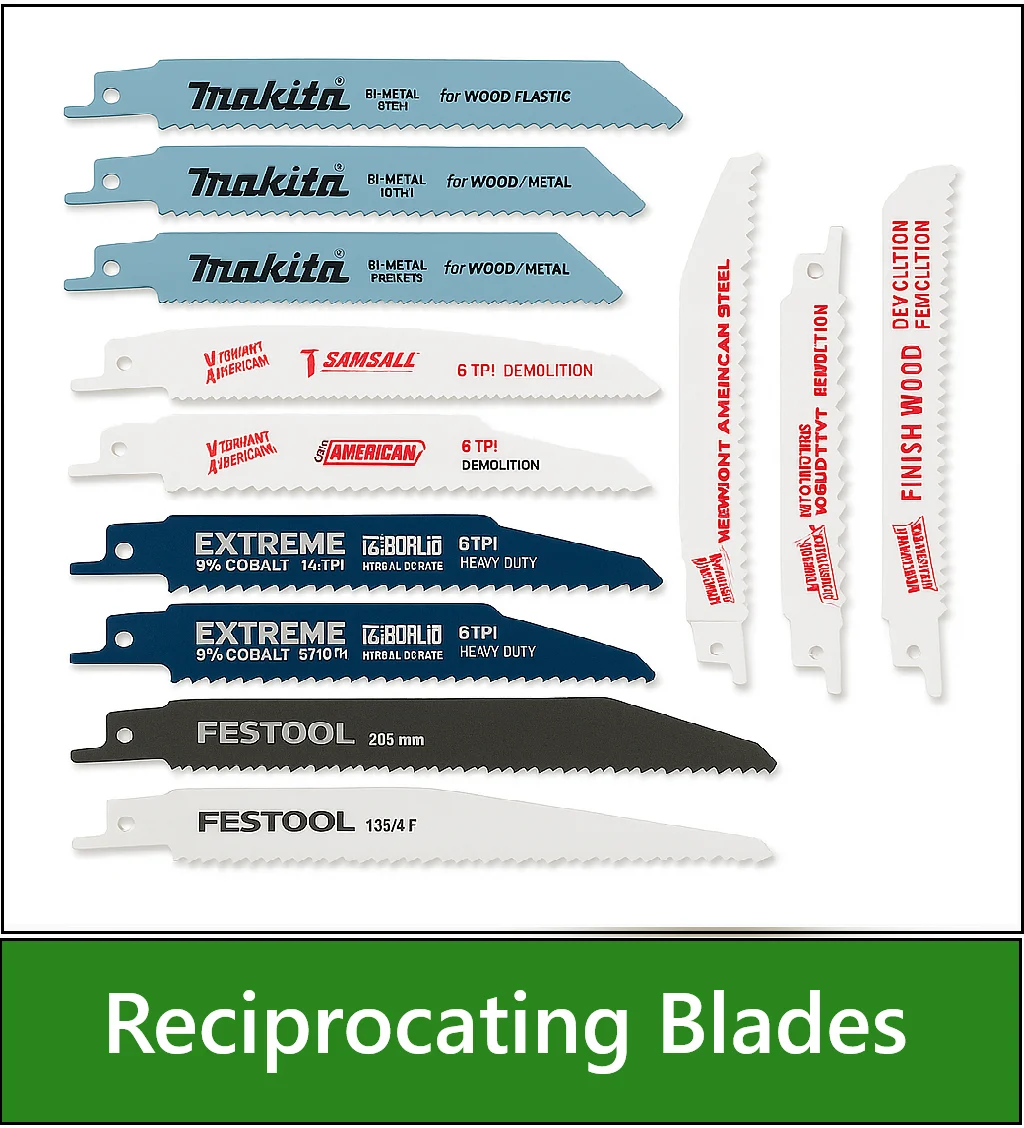
Our range of reciprocating saw blades is currently expanding. New stock is arriving soon, including blades designed for cutting wood, metal, plastics and heavy-duty demolition work. Whether you’re a trade professional tackling renovation projects or a DIY user working on home improvements, reciprocating saw blades are built for fast, aggressive cutting where other saws struggle.
New range coming soon: We will soon be adding a selection of high-performance reciprocating saw blades for metal, wood and demolition work. Check back shortly as our range continues to grow.
Reciprocating saws — sometimes called sabre saws or Sawzall-style tools — are designed for tough cutting tasks such as demolition, pipe cutting, pruning and construction work. The right reciprocating blade allows you to cut quickly through timber, steel, PVC, nails and many other materials commonly found on job sites.
If your project involves drilling pilot holes before cutting timber, you can use our Pilot Hole Calculator to quickly determine the correct drill bit size.
Reciprocating Saw Blades for Wood
Wood cutting reciprocating saw blades typically use aggressive tooth patterns with low teeth-per-inch (TPI) ratings. These blades remove material quickly and are ideal for cutting timber framing, pallets, branches and construction lumber.
- Fast cutting blades for timber and studs
- Long pruning blades for garden work
- Demolition blades for wood containing nails
Metal Cutting Reciprocating Saw Blades
Reciprocating saw blades for metal feature higher TPI counts and stronger materials such as bi-metal construction. These blades are designed for cutting steel pipe, conduit, sheet metal and other tough materials commonly encountered during renovation or repair work.
- Thin metal cutting blades
- Pipe and conduit blades
- Heavy-duty demolition blades for metal structures
Demolition & Heavy-Duty Blades
Demolition work demands extremely durable blades capable of cutting mixed materials such as wood with nails, plasterboard, plastics and metal fittings. Heavy-duty bi-metal reciprocating blades are commonly used on construction sites because they combine flexibility with strong cutting edges.
- Nail-embedded wood blades
- Multi-material demolition blades
- Long blades for deep cutting applications
Blade Materials
The performance of a reciprocating saw blade depends heavily on the material used in its construction:
- High Carbon Steel (HCS) – Flexible blades ideal for wood and pruning.
- Bi-Metal (BIM) – Durable blades designed for wood with nails and metal cutting.
- Tungsten Carbide (TCT) – Extremely hard blades suitable for abrasive materials such as cement board and cast iron.
Choosing the Right Reciprocating Blade
To achieve the best cutting performance, match the blade to your material and job type:
- Low TPI (6–10): Fast cuts in wood and demolition work.
- Medium TPI (10–14): Versatile blades for mixed materials.
- High TPI (18+): Smooth cutting in thin metals and pipes.
Explore More Cutting Accessories
Looking for other cutting blades? You may also want to explore our ranges of jigsaw blades and circular saw blades, designed for more precise cutting tasks.
For a deeper overview of blade types and applications, this external guide explains how to choose the right reciprocating saw blade for different materials.
As our product catalogue expands, this page will showcase our full selection of UK-stocked reciprocating saw blades designed for trade professionals and DIY users alike.

Browse More Categories



Frequently Asked Questions
What are reciprocating saw blades used for?
Reciprocating saw blades are designed for aggressive cutting tasks such as demolition, renovation, pipe cutting and pruning. Depending on the blade type, they can cut wood, metal, plastics and even nail-embedded timber. These blades are widely used by builders, plumbers, electricians and DIY users when fast cutting is required.
Can reciprocating saw blades cut metal?
Yes. Reciprocating saw blades for metal are designed with higher teeth-per-inch (TPI) and stronger bi-metal construction. They can cut steel pipe, sheet metal, conduit and bolts. Using the correct metal cutting blade improves cutting speed and helps extend blade life.
What reciprocating saw blade is best for cutting wood?
For timber cutting, pruning or demolition work, choose reciprocating saw blades with a lower TPI, usually between 6 and 10 teeth per inch. These aggressive blades remove material quickly and are ideal for cutting studs, pallets, framing timber and branches.
What TPI should I use for metal cutting with a reciprocating saw?
Metal cutting typically requires reciprocating saw blades with 18–24 TPI. Higher TPI blades produce smoother cuts and reduce vibration when cutting thinner metals such as steel pipe, conduit or sheet metal.
Are Sawzall blades the same as reciprocating saw blades?
Yes. Sawzall blades is a common brand term used for reciprocating saw blades. Most modern blades use a universal shank that fits reciprocating saws from major brands including DeWalt, Makita, Bosch and Milwaukee.
Can reciprocating saw blades cut cast iron?
Some specialised tungsten carbide or carbide-grit reciprocating blades can cut abrasive materials such as cast iron, cement board and fibreglass. These blades are designed for heavy-duty demolition and construction work where standard steel blades would wear quickly.